
Legacy of Kris Gethin and BodyBuilding.com : Driving…
Legacy of Kris Gethin and Bodybuilding.com : Driving Commercial Value and Operational…
Something interesting is happening in India right now.
Fitness is no longer a luxury trend limited to metro cities. It’s becoming part of the mainstream consumption basket – right alongside food delivery, OTT subscriptions, and smartphones.
And the numbers prove it.
According to the India Fitness Market Report 2025 released by Deloitte India in collaboration with the Health & Fitness Association, India’s fitness industry is expected to grow from INR 16,200 crore in 2024 to INR 37,700 crore by 2030.
That’s more than double in six years.
A 15% compound annual growth rate.
For context, very few industries sustain that kind of momentum at scale.
Here’s the part most people miss.
India has 956 million people between 18–62 years of age.
Yet :
Only 12.3 million people currently hold fitness memberships
Membership penetration is just 0.8% of the adult population
By 2030, memberships are projected to rise to 23.3 million – pushing penetration slightly above 1.7%.
Still low.
Which means the real opportunity is not competition.
It’s expansion.
Nearly 820 million Indians in that age bracket remain inactive.
That’s not just a statistic – that’s the biggest growth lever the industry has ever seen.
The market today is heavily led by value gyms.
They account for :
78% of memberships
80% of total facilities
56% of total industry revenue
Affordable pricing models are driving volume.
But the fastest-growing segment isn’t value gyms.
It’s boutique studios.
Formats like :
HIIT
Yoga
MMA
Pilates
Small-group training
These are projected to grow at nearly 19% annually through 2030.
This shift signals something important – Indian consumers are moving toward personalised and community-driven fitness experiences.
The top 10 cities – including Mumbai, Delhi NCR, and Bengaluru – contribute 56% of industry revenue.
But they only house 31% of facilities.
That gap tells us two things :
Urban consumers spend more on fitness.
Tier 2 and Tier 3 cities represent the next growth frontier.
The next wave won’t just be about adding premium clubs in metros.
It will be about scalable, affordable, and tech-enabled fitness models in emerging cities.
What’s changing is not just gym membership numbers.
Fitness in India is becoming an economic ecosystem.
It fuels :
Activewear & athleisure
Supplements & nutrition
Wellness tourism
Real estate development
Digital fitness platforms
Creator-led fitness content
This shift is cultural.
Post-pandemic, preventive health is gaining more importance than reactive healthcare. Younger consumers see fitness as:
Productivity support
Stress management
Long-term health insurance
And as India moves toward its $5 trillion economic vision, workforce health becomes directly linked to economic performance.
Digital integration is playing a major role.
From :
App-based memberships
Smart wearables
Online coaching
Hybrid fitness models
Fitness is no longer confined to four walls.
The businesses that win will not just open more gyms – they’ll build integrated ecosystems combining physical space, digital engagement, and community building.
The opportunity is huge.
But so is the challenge.
The industry must :
Make fitness affordable
Increase women’s participation
Expand into smaller towns
Educate inactive populations
Build community-based models
Growth won’t come only from premium customers.
It will come from inclusion.
If you operate in this space – as a gym owner, trainer, investor, or brand – this is not a mature market.
It’s an early-stage expansion curve.
A 15% CAGR in a country with over 1.4 billion people is not saturation.
It’s ignition.
The businesses that focus on :
Scalable pricing
Smart location strategy
Community engagement
Consistent member retention
…will ride this wave long term.
India’s fitness industry doubling by 2030 is not just about revenue growth.
It reflects a mindset shift.
From :
Reactive healthcare → Preventive wellness
Occasional gym visits → Lifestyle integration
Metro-centric brands → National expansion
The real question isn’t whether the industry will grow.
It’s who will build the brands that define it.
If you’re seriously considering entering the space, reading this ultimate guide to owning gym franchise in India can help you understand the risks, returns, and growth potential before making a commitment.
India’s fitness industry is projected to grow from ₹16,200 crore in 2024 to ₹37,700 crore by 2030, according to Deloitte India. That’s a strong growth rate of around 15% annually.
As of now, only about 0.8% of India’s adult population has a gym membership. This shows that the market is still largely untapped.
Growth is being driven by rising health awareness, post-pandemic focus on preventive care, increasing disposable income, and the influence of digital fitness platforms and social media.
Currently, around 12.3 million people in India hold fitness memberships, which is expected to grow significantly over the next few years.
The biggest opportunity lies in the inactive population - over 800 million Indians are still not engaged in structured fitness. This makes India one of the largest untapped fitness markets globally.
Value gyms are affordable fitness centers that focus on basic equipment and accessibility. They dominate the Indian market because they cater to price-sensitive consumers, accounting for the majority of memberships and facilities.
Boutique studios offer specialised workouts like Pilates, yoga, HIIT, and MMA in smaller, community-driven settings. They are growing तेजी because consumers are now willing to pay for personalised and premium experiences.
Top metro cities like Mumbai, Delhi NCR, and Bengaluru contribute over 50% of the total fitness industry revenue.
While metros generate more revenue, smaller cities have lower competition and growing demand. This makes them the next big expansion opportunity for gyms and fitness brands.
Technology is transforming fitness through wearables, mobile apps, online coaching, and hybrid gym models. Fitness is no longer limited to physical spaces - it’s becoming a connected ecosystem.
No, it’s far from saturated. With less than 1% penetration, the industry is still in an early growth phase, offering significant opportunities for new businesses.
Key challenges include affordability, low awareness in smaller towns, limited female participation, and the need for better retention strategies.
Fitness is shifting from a short-term goal to a long-term lifestyle choice. People now see it as essential for productivity, stress management, and long-term health.
Entrepreneurs can benefit from scalable gym models, franchise opportunities, digital fitness platforms, and community-based training formats - especially in underserved markets.
As fitness becomes mainstream, it’s influencing sectors like activewear, nutrition, wellness tourism, and digital health - making it a key part of India’s broader lifestyle economy.

Legacy of Kris Gethin and Bodybuilding.com : Driving Commercial Value and Operational…
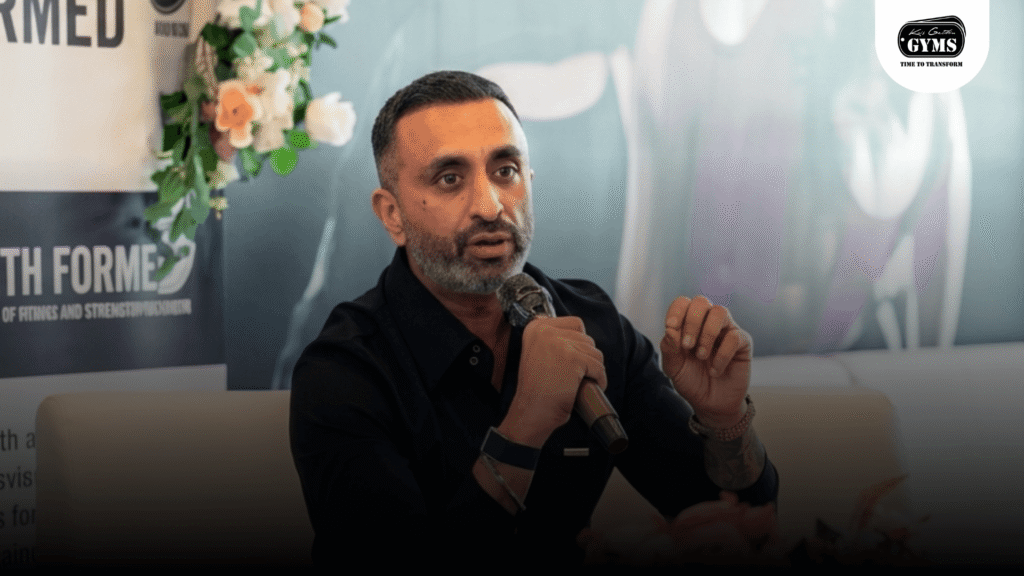
Are There Any Pros and Cons to Opening a Gym Franchise? Forty…
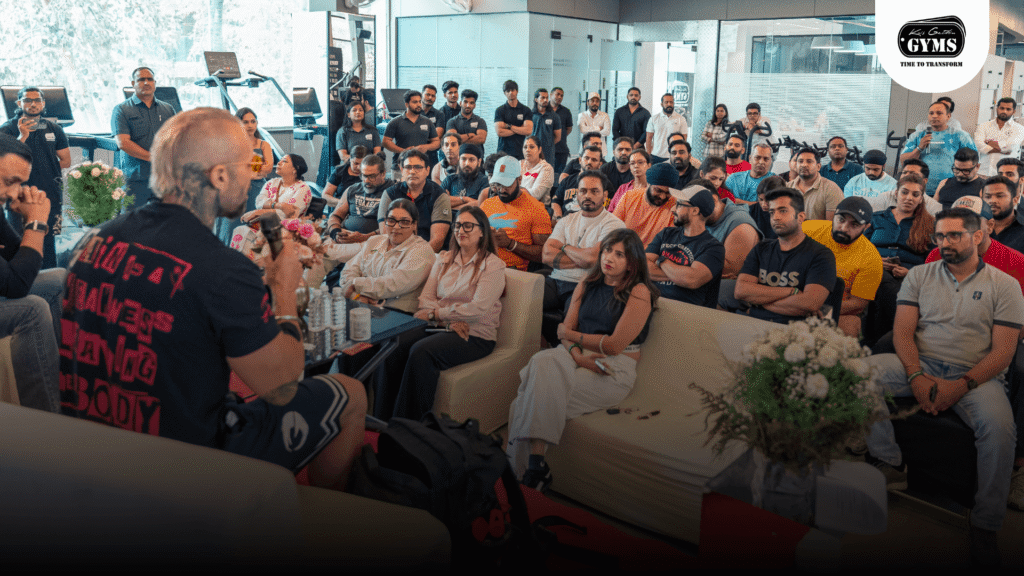
Kris Gethin Marks Official Launch of Premium Vikaspuri Gym with Exclusive Masterclass…
© 2026 KRIS GETHIN GYMS – All Rights Reserved.